Carpet cleaning near South Wimbledon station: a practical local guide for cleaner, healthier floors
If you are looking into Carpet cleaning near South Wimbledon station, chances are the carpet is not just looking tired. Maybe it has picked up the usual London mix of foot traffic, dust, rain marks, pet hair, and that one mystery stain nobody wants to claim. That is normal. Busy homes, rented flats, and small offices around South Wimbledon see a lot of everyday wear, and carpets tend to show it sooner than you expect.
This guide walks you through how carpet cleaning works, what to expect from a proper service, how to compare methods, and when it actually makes sense to book a professional. No fluff. Just the useful stuff that helps you make a sensible decision, whether you are a homeowner, tenant, landlord, or business near the station.
Truth be told, most people wait a bit too long. Then the room starts to feel dull, the carpet looks flat, and suddenly the place seems less fresh overall. The good news? With the right approach, carpets can often look and feel much better without any drama.
Table of Contents
- Why Carpet cleaning near South Wimbledon station Matters
- How Carpet cleaning near South Wimbledon station Works
- Key Benefits and Practical Advantages
- Who This Is For and When It Makes Sense
- Step-by-Step Guidance
- Expert Tips for Better Results
- Common Mistakes to Avoid
- Tools, Resources and Recommendations
- Law, Compliance, Standards, or Best Practice
- Options, Methods, or Comparison Table
- Case Study or Real-World Example
- Practical Checklist
- Conclusion
- Frequently Asked Questions
Why Carpet cleaning near South Wimbledon station Matters
Carpets act like a filter. They trap dust, grit, pollen, skin flakes, crumbs, and all the tiny bits that drift in from shoes, open windows, and daily life. Near South Wimbledon station, the pace of movement is constant. People come and go, shoes bring in fine dirt, and damp weather can make fibres hold onto soil more stubbornly than you might think.
Why does that matter? Because surface vacuuming only gets part of the story. Once debris works down into the pile, it can make a carpet look worn before its time. It can also create that stale, slightly flat smell you notice when a room has not had a proper deep clean for a while. Not glamorous, but very real.
For landlords and letting agents, the condition of carpets can influence how a property presents to prospective tenants. For homeowners, it is about comfort and hygiene. For offices and small commercial spaces, clean carpets support a more professional first impression. And honestly, once a carpet is clean, the whole room tends to feel calmer. You notice it at 8am, with the light coming in and everything looking a bit sharper.
There is also a maintenance angle. Regular carpet care can help reduce premature wear, flattening, and embedded staining. That means a carpet may last longer before replacement becomes unavoidable. Replacement is expensive. Cleaning is the sensible middle ground.
Key point: if you live or work near South Wimbledon station, carpet cleaning is not just about appearance. It is about upkeep, comfort, and making the space feel properly looked after.
How Carpet cleaning near South Wimbledon station Works
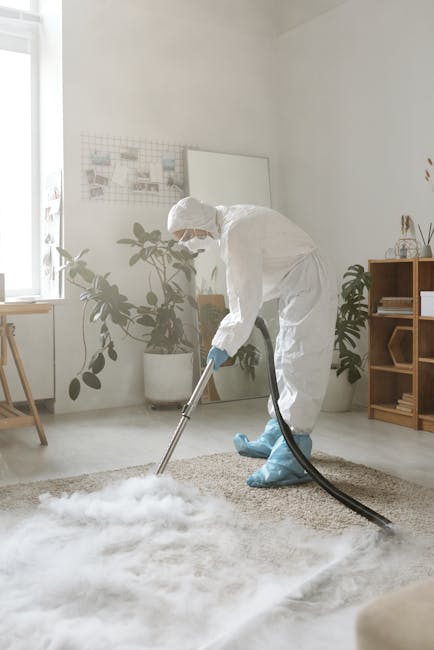
Professional carpet cleaning is not just "spray and scrub." A good service usually starts with inspection. The cleaner checks the fibre type, the level of soiling, the stain patterns, and any areas that may need special attention. Wool, synthetic fibres, and blended carpets can all respond differently, so this step matters more than people realise.
After that, the process usually includes thorough vacuuming or dry soil removal. This is important because loose grit can act like sandpaper when wet cleaning begins. Then a suitable cleaning solution is applied. Depending on the method, the fibres may be agitated gently to loosen embedded dirt, then extracted or wiped away. The aim is to lift soil without overwetting the backing or leaving too much residue behind.
The exact method varies. Hot water extraction, often called steam cleaning, is common for deep cleaning. It uses heated water and cleaning solution, then powerful extraction to pull moisture and dirt back out. Low-moisture methods may be used where quicker drying is needed or where delicate carpets need a lighter touch. Spot treatment may be used for stains such as coffee, food, or pet accidents. Each one behaves differently, annoyingly enough.
Drying is part of the job too. A responsible cleaner should explain approximate drying times and how to help airflow. Opening windows, using heating sensibly, and avoiding heavy foot traffic all help. If you have ever stepped back onto a damp carpet in socks, you will know why this matters.
If you are comparing professional services, look for clear explanations rather than vague promises. Good providers can tell you what method they use, why they chose it, and what aftercare they recommend. That is a much better sign than flashy wording.
Key Benefits and Practical Advantages
The obvious benefit is that carpets look better. But the deeper value is in how the room changes once soil, marks, and stale odours are removed. A clean carpet often makes a living room look brighter, a hallway look less tired, and a bedroom feel more restful. Small difference. Big effect.
- Improved appearance: colours look clearer, patterns show properly, and pile looks less crushed.
- Better freshness: cleaning helps remove smells trapped in fibres from pets, cooking, spills, or general use.
- Longer carpet life: removing abrasive dirt can slow fibre wear.
- Healthier indoor feel: while no cleaning service can promise medical outcomes, reducing built-up dust and allergens can make the environment feel cleaner and more comfortable.
- Better rental presentation: useful before inspections, check-in, or end-of-tenancy handover.
- Professional finish for businesses: helpful in reception areas, meeting rooms, and customer-facing spaces.
There is also a psychological benefit people often overlook. A clean carpet makes the whole place feel under control. You stop seeing that stain every time you walk in. The room stops asking for attention. It just works.
And for homes near South Wimbledon station, where life can be busy and a bit tightly paced, that sense of order is no small thing.
Expert summary: the best carpet cleaning service is not the one that simply uses the strongest method. It is the one that matches the method to the carpet, the level of soiling, and the drying needs of your space.
Who This Is For and When It Makes Sense
Carpet cleaning near South Wimbledon station makes sense for a lot of people, but especially if your carpets are in daily use. If you have children, pets, visitors, or a hallway that catches every muddy shoe in winter, you will probably see the benefits sooner than most.
It is also a smart move if you are:
- moving in or out of a property
- preparing for a tenancy inspection
- trying to remove a visible stain or lingering smell
- refreshing a room before guests arrive
- running a small office, salon, clinic, or studio
- dealing with flattened traffic lanes in a hallway or living room
Sometimes the carpet looks "fine" at first glance, but the room still feels off. That usually means embedded soil, odour, or patchy wear is doing more than you think. You may not see it clearly until the cleaning is done. Then suddenly, oh. Yes, that was the problem.
It is fair to say that not every carpet needs a deep clean every few weeks. Some need it seasonally, some annually, and some only after specific incidents. The right timing depends on traffic, carpet type, and whether you want maintenance or rescue cleaning.
If you are unsure, ask yourself: does the carpet still suit the way the room is actually used, or is it just hanging on? A surprisingly useful question.
Step-by-Step Guidance
If you want the best result from carpet cleaning, a little preparation goes a long way. Here is a practical process that works well in most homes and small premises.
- Assess the carpet first. Look for stains, high-traffic areas, loose threads, and any furniture that will need moving.
- Vacuum thoroughly. This lifts loose grit and hair so the cleaning step can work properly.
- Identify problem spots. Make a note of stains, odours, or areas that have been treated before. That helps avoid guesswork.
- Choose the right method. Heavy soil often benefits from deep extraction, while more delicate carpets may need a gentler approach.
- Protect nearby items. Move fragile objects, check skirting edges, and clear access paths. A clean job starts with a clear route. Simple, but it saves headaches.
- Test chemicals where needed. Any decent cleaner should check for colourfastness in a hidden spot before treating a wider area.
- Let the carpet dry properly. Keep traffic light, improve ventilation, and avoid replacing rugs too early.
- Inspect the result. Check stains, smell, pile recovery, and any areas that may need a second pass.
If you are doing a light refresh yourself, follow the same logic, just scaled down. Vacuum first. Treat spots carefully. Do not soak the carpet. And for the love of dry socks, resist the urge to keep adding more water because the stain "looks like it is coming up." That is how carpets end up damp for ages.
For busy households near the station, it can help to do the cleaning when you can leave windows open for a few hours and avoid heavy movement across the room. A quiet morning or midweek slot often works best.
Expert Tips for Better Results
Small choices make a bigger difference than people expect. You do not need a complicated routine, just a few practical habits.
- Vacuum slowly. One quick pass is rarely enough. Slow movement pulls more debris from the pile.
- Blot, do not rub. Rubbing spreads stains and can roughen fibres.
- Treat spills quickly. Fresh spills are easier to lift than old, heat-set marks.
- Use the right method for the fibre. Wool, for example, needs more care than many synthetic carpets.
- Watch the drying time. Faster drying usually means less risk of musty smells or recurring marks.
- Protect high-traffic areas. Mats and runners can reduce future wear near doorways and hallways.
- Ask about residue. Too much detergent left behind can attract dirt faster. Bit of a nuisance, really.
One useful trick is to think in terms of maintenance, not rescue. If a carpet only gets attention when it looks bad, it usually needs stronger treatment each time. If you clean it more regularly, the job is easier, the result is better, and the carpet tends to stay looking alive for longer.
Another tip: if you have multiple rooms, prioritise the worst-affected area first. A hallway near South Wimbledon station may need more attention than a spare bedroom. That is normal. Clean where the wear actually is.
Common Mistakes to Avoid
Most carpet-cleaning problems come from rushing, over-wetting, or using the wrong product. The trouble is, the damage is not always immediate. Sometimes it shows up later as reappearing stains, stiff patches, or a dull residue that collects dirt faster than before.
- Using too much water: this can slow drying and increase the risk of backing issues or odours.
- Skipping vacuuming: loose grit gets turned into slurry once cleaning starts.
- Scrubbing aggressively: this can damage fibres and spread stains.
- Using random products: not every stain responds to the same cleaner. Some make matters worse.
- Ignoring fibre type: wool and synthetics behave differently.
- Putting furniture back too soon: this can leave marks or trap moisture.
- Expecting one pass to fix everything: some stains are stubborn and need realistic expectations.
There is also the classic mistake of trying to "mask" a smell with fragrance rather than removing the source. Nice smell for an hour. Problem still there. Not ideal.
If you are hiring a service, be wary of anyone who promises miracle stain removal without inspecting the carpet first. A professional should be careful with promises. That caution is a good sign, not a weakness.
Tools, Resources and Recommendations
You do not need a van full of gear to keep a carpet in decent condition, but a few basic tools help a lot. For everyday upkeep, a quality vacuum cleaner with good suction and a clean filter is probably the best investment. It is not exciting, but it works.
Useful tools and items include:
- Vacuum cleaner: ideally with adjustable height for different pile depths.
- Microfibre cloths: useful for blotting spills without roughing up the fibres.
- Soft brush: can help lift pile gently before or after cleaning.
- Neutral carpet cleaner: suitable for light spot treatment if the product suits the carpet type.
- Fan or good ventilation: helps drying after a wash.
- Door mats: a simple but effective way to reduce repeat dirt near entrances.
If you are comparing professional help, ask practical questions rather than vague ones. For example:
- What cleaning method do you recommend for this carpet type?
- How long is drying likely to take?
- Do you pre-treat stains?
- Will furniture need moving?
- How do you handle wool or delicate fibres?
Those questions tend to reveal more than a generic price conversation. You can usually tell fairly quickly whether someone knows their trade or just hopes the machine does the talking.
If you are also thinking about other home services in the same area, it can be helpful to look at the broader maintenance picture. Some readers who are refreshing a property also ask about upholstery cleaning for sofas and armchairs or other soft furnishings, because the room feels best when everything is treated as one system, not one item at a time.
Law, Compliance, Standards, or Best Practice
For domestic carpet cleaning, there is usually no special legal process the customer needs to complete. Still, a professional service should follow sensible UK best practice around safety, product use, and waste handling. That means using appropriate chemicals, reading labels carefully, ventilating spaces where needed, and taking care around children, pets, and vulnerable occupants.
If you are a landlord, managing agent, or business owner, your responsibilities are broader. You should think about access arrangements, safe working conditions, and whether the cleaning schedule fits tenancy turnover or workplace hygiene expectations. In some settings, especially commercial ones, cleaning records and supplier information can be useful for internal compliance and maintenance planning.
It is also worth noting that some carpets and stain treatments may be sensitive to strong cleaning agents. Responsible cleaners should not guess. They should test first when needed, use suitable dilution, and avoid over-promising results on permanent staining. A wine mark that has been there for months is not the same as a fresh spill, and pretending otherwise helps nobody.
From a best-practice angle, look for:
- clear communication about method and drying time
- careful handling of furniture and surfaces
- appropriate attention to fibre type
- safe use of products
- realistic expectations on stain removal
If a cleaner is unwilling to explain their process in plain English, that is worth noticing. You want clarity, not mystery.
Options, Methods, or Comparison Table
Different carpets and situations call for different approaches. Here is a simple comparison to help you think it through.
| Method | Best for | Pros | Watch-outs |
|---|---|---|---|
| Hot water extraction | General deep cleaning, heavy soil, busy homes | Strong soil removal, good for refresh and maintenance | Longer drying time if ventilation is poor |
| Low-moisture cleaning | Quicker turnaround, lighter soiling, some commercial spaces | Faster drying, less water in the carpet | May not suit every stain or carpet type |
| Spot treatment | Isolated marks and small spill areas | Targeted, efficient, useful between full cleans | Not a replacement for overall cleaning |
| Dry compound methods | Situations needing minimal moisture | Very quick return to use | Can be less effective on deep embedded soil |
So which one should you choose? That depends on the carpet, the room, and how soon you need it back in use. A family home with a worn hallway may benefit from extraction. A small office that cannot stay out of action for long may prefer a quicker drying method. There is no single winner. Anyone saying otherwise is probably selling something.
For most people near South Wimbledon station, the best choice is the one that balances cleaning power with practical downtime. Clean enough to make a difference, gentle enough to suit the carpet, fast enough to fit real life. That is the sweet spot.
Case Study or Real-World Example
Here is a simple real-world style scenario. A two-bedroom flat near South Wimbledon station has a hallway, living room, and one bedroom carpet that all look a bit flat. There are visible marks in the hall, a drink spill by the sofa, and general greying in the high-traffic areas. Nothing dramatic, just the kind of wear that creeps in gradually.
The first step is inspection. The hallway has compacted dirt from daily foot traffic, the living room has one set-in stain near the arm of the sofa, and the bedroom carpet has light dust build-up plus a dull patch near the bed. A cleaner would likely vacuum thoroughly, pre-treat the stain, and use a deep-clean method suited to the fibre type. The hallway may need more agitation than the bedroom.
After cleaning, the difference is usually most obvious in the light. Colours look less muted. The hall feels fresher underfoot. The flat smells cleaner when you walk in. And because the carpet is not overloaded with residue, it stays fresher for longer. That last part matters more than people think.
What did the customer really get from the service? Not just a better-looking carpet, but a room that felt more cared for. That is the real win. Not flashy. Just satisfying.
Practical Checklist
Use this quick checklist before booking or carrying out carpet cleaning near South Wimbledon station:
- Have you identified the carpet fibre type if possible?
- Are the main stains, smells, or traffic areas clearly noted?
- Have you vacuumed thoroughly before any wet cleaning?
- Do you know how long drying is likely to take?
- Will furniture need moving, and who is handling it?
- Have you checked whether any spot product is suitable for the carpet?
- Is ventilation available after cleaning?
- Do you have a plan for keeping foot traffic off the carpet while it dries?
- Are you expecting realistic improvement rather than a miracle fix?
- Have you compared methods based on your room and schedule?
If you can tick most of those off, you are already ahead of many people. Seriously. Most carpet issues come from skipping the boring bit, and the boring bit is often where the quality lives.
Conclusion
Carpet cleaning near South Wimbledon station is really about getting your space back into good shape without unnecessary fuss. Whether you need a one-off refresh, help with a stubborn stain, or routine maintenance for a busy property, the best results come from matching the method to the carpet and the situation. Clean carefully. Dry properly. Expect honest advice.
If you are weighing up your options, the smartest move is usually to choose a service that explains things clearly and treats your carpet with care, not force. That tends to produce better results and fewer surprises later on. And in a busy part of London, fewer surprises is always welcome.
Get a free quote today and see how much you can save.
Sometimes the smallest refresh makes the biggest difference. A cleaner carpet can quietly change the way a room feels, and honestly, that is a pretty good return for a day's work.
Frequently Asked Questions
How often should carpets be professionally cleaned near South Wimbledon station?
It depends on foot traffic, pets, children, and the type of carpet. Many homes benefit from professional cleaning every 6 to 12 months, but busy households or commercial spaces may need it more often. The key is to clean before soil becomes deeply embedded.
Is steam cleaning safe for all carpets?
Not always. Steam cleaning, or hot water extraction, is effective for many carpets, but some delicate fibres or older carpets may need a gentler method. A proper inspection first is the sensible approach.
How long does carpet drying usually take?
Drying time varies by method, ventilation, carpet thickness, and the amount of moisture used. Some carpets dry in a few hours, while others can take longer. Good airflow makes a noticeable difference.
Can carpet cleaning remove pet odours?
It can often improve pet odours significantly, especially if the smell is coming from trapped surface dirt or residues. However, deeper odours from padding or repeated accidents may need more targeted treatment. No need to pretend every smell is the same, because it is not.
Will cleaning remove old stains completely?
Sometimes yes, sometimes no. Fresh stains are easier to remove than old, set-in marks. Age, carpet fibre, the stain type, and previous DIY treatments all affect the result. A professional can usually tell you what is realistic after inspection.
What is the best carpet cleaning method for a busy family home?
Many busy homes do well with hot water extraction because it provides a thorough clean. That said, the best method depends on the carpet type and how quickly the room needs to be back in use. Faster drying may matter more in some homes than maximum cleaning power.
Can I clean my carpet myself instead of hiring someone?
Yes, for light maintenance and small spills, DIY cleaning can work fine. But be careful with over-wetting, unsuitable products, and aggressive scrubbing. For heavier soil or important rooms, a professional service usually gives more reliable results.
Do I need to move furniture before carpet cleaning?
Often some furniture needs moving, but not always everything. It is best to ask the cleaner what they expect and which items should be cleared in advance. Heavy or fragile furniture should be handled carefully.
Is carpet cleaning suitable for wool carpets?
Yes, but wool needs a more careful approach than many synthetic carpets. The cleaning method and products should be chosen with the fibre in mind. A cautious test area is usually wise.
What should I look for in a carpet cleaning service?
Look for clear explanations, relevant experience, realistic promises, and a method that suits your carpet. Good communication matters. If they cannot explain the process in plain English, that is worth a second thought.
Does regular carpet cleaning help with allergies?
It may help reduce dust and allergens trapped in the fibres, which can make the room feel fresher and more comfortable. It is not a medical treatment, but it can be a useful part of maintaining a cleaner indoor environment.
Is there a bad time to book carpet cleaning?
Yes, if you need immediate heavy foot traffic after the clean or if the room cannot be ventilated properly. A time when you can leave the carpet to dry calmly is usually best. A quiet morning or a day when the room can rest is ideal.