Upholstery cleaning Wimbledon Village Church Road SW19: a practical guide to cleaner, fresher furniture
If your sofa looks a little tired, your armchair has picked up everyday grime, or a dining chair is holding onto a mystery mark from last Friday's supper, you are in the right place. Upholstery cleaning Wimbledon Village Church Road SW19 is not just about making furniture look nicer; it is about removing dirt, body oils, spill residue, pet hair, and the sort of build-up that quietly shortens the life of fabric. In a busy home or a client-facing property, that matters more than people think.
Wimbledon Village has its own pace, and Church Road SW19 sees a mix of elegant homes, family living, and busy routines. Furniture gets used hard. Tea gets spilt. Dogs jump on the sofa. Life happens. This guide walks through what upholstery cleaning involves, how it works, when it makes sense, and how to get better results without risking shrinkage, colour loss, or over-wetting.
As a rule, the best upholstery care is careful, not flashy. A good clean should leave your fabric brighter, softer to the touch, and noticeably fresher, without making a fuss about it.
Why Upholstery cleaning Wimbledon Village Church Road SW19 Matters
Upholstered furniture takes a lot more punishment than most people realise. Fabrics absorb airborne dust, skin particles, cooking residue drifting through open-plan spaces, and the everyday grime that comes from constant sitting, leaning, and relaxing. If you have children, guests, pets, or a regular stream of visitors, the pace of wear goes up quickly.
In Wimbledon Village, where many properties are well cared for and often furnished with quality items, a dull sofa can stand out. Not in a good way. A good fabric clean helps preserve the appearance of the room, but it also helps maintain the furniture itself. Embedded grit can abrade fibres over time, and spills left too long can turn into permanent marks or lingering odours.
It also makes day-to-day living more pleasant. A chair that smells fresh and feels clean is simply more comfortable to use. That sounds obvious, but truth be told, a room can look tidy and still feel a bit off if the upholstery is holding onto old smells or hidden dirt.
If your broader home care plan includes floors and soft furnishings, it can be worth looking at related services such as carpet cleaning, rug cleaning, and curtain cleaning. Soft furnishings often collect the same dust and odours, just in different places.
How Upholstery cleaning Wimbledon Village Church Road SW19 Works
Upholstery cleaning is not one single technique. It is a process of identifying the fabric, testing for colour stability, loosening soil, treating stains carefully, and then extracting or lifting the residue in a controlled way. Different textiles need different handling. Cotton, wool blends, synthetic fibres, velvet, and delicate decorative fabrics all respond differently to moisture, agitation, and detergent.
The first step is usually inspection. A cleaner should look at the fabric type, the level of soiling, the construction of the item, and any labels or care instructions. That matters because the wrong method can leave water rings, rough patches, or distortion in the pile. Nobody wants a beautiful chair looking patchy because it was treated like a gym mat.
Next comes dry soil removal. This is often the step people skip when cleaning at home, but it is important. Loose dust and grit need to come out before any liquid treatment begins. After that, a cleaner may pre-treat specific marks, such as drink spills, food residue, or oily patches. For difficult contamination, especially on family sofas, targeted stain removal techniques can make a real difference.
Then comes the actual cleaning method. In many cases this will involve low-moisture or hot-water extraction style cleaning, depending on the fabric and the condition of the item. The aim is always the same: remove as much soil as possible while keeping the textile safe. The final stage is drying and grooming, so the surface looks tidy and dries evenly rather than staying flat and damp.
For heavier fabric build-up or items exposed to strong household odours, some cleaners also combine upholstery care with pet stain odour removal or related treatment. That can be especially helpful in homes with cats or dogs, where smells settle in slowly and then suddenly seem obvious only when guests arrive. Funny how that works, isn't it?
Key Benefits and Practical Advantages
There are obvious benefits to professional upholstery cleaning, and then there are the quieter ones that people only notice after a week or two.
- Improved appearance: colours often look fresher, and fabrics can regain some of their original brightness.
- Better hygiene: regular cleaning reduces the build-up of dust and general grime embedded in the fibres.
- Odour reduction: stale smells from pets, food, or everyday use are often significantly reduced.
- Longer fabric life: removing grit and contamination helps prevent premature wear.
- More comfortable living space: the room simply feels cleaner, which is no small thing.
- Better presentation: useful for homes being prepared for guests, photos, letting, or sale.
If you are comparing soft-furnishing services, upholstery care often works best alongside sofa cleaning and mattress cleaning, especially when the goal is a more complete refresh. A sofa may be spotless while the nearby cushions, chairs, or mattress still carry the same lingering dust. That mismatch is surprisingly common.
One practical advantage that gets overlooked: a properly cleaned upholstered item is easier to maintain afterwards. Once the loose soil and residue are gone, routine vacuuming tends to be more effective. So you are not just getting a one-off improvement; you are resetting the furniture to a cleaner baseline.
Expert summary: the best upholstery cleaning is measured less by dramatic before-and-after theatre and more by the steady, sensible things you notice afterwards: fewer marks, less odour, better texture, and furniture that feels looked after rather than merely wiped down.
Who This Is For and When It Makes Sense
Upholstery cleaning is not just for visibly dirty furniture. In many homes, the fabric can look fine on the surface while still holding onto a fair amount of hidden soil. So when does it make sense?
You may want upholstery cleaning if:
- your sofa or chairs have visible marks, drinks spills, or food stains
- furniture smells stale after pets, smoking, or heavy use
- fabric has lost its brightness and looks flat or patchy
- you are moving in, moving out, or preparing a property for sale
- your home has allergy-sensitive occupants and you want a fresher environment
- you run a business with waiting areas, reception seating, or hospitality furniture
Commercial clients sometimes need the service even more urgently than homeowners. A reception sofa or waiting room chair is doing brand work every day, whether anyone notices or not. If your premises use soft seating heavily, you might also look at commercial carpet cleaning so the whole space presents well together.
For residential customers in Wimbledon Village Church Road SW19, timing often comes down to life events. A spring refresh before visitors arrive. A clean before a baby comes home. A post-party rescue. Or the classic one: "We should have done this months ago." That one comes up a lot.
Step-by-Step Guidance
Here is a practical view of how a careful upholstery clean should unfold. This is the kind of process that tends to produce better outcomes and fewer nasty surprises.
- Identify the fabric. Check any care label, or at least note whether the material feels delicate, textured, synthetic, natural, or mixed.
- Test a discreet area. Colour fastness and fibre reaction matter. A small test can prevent a big problem.
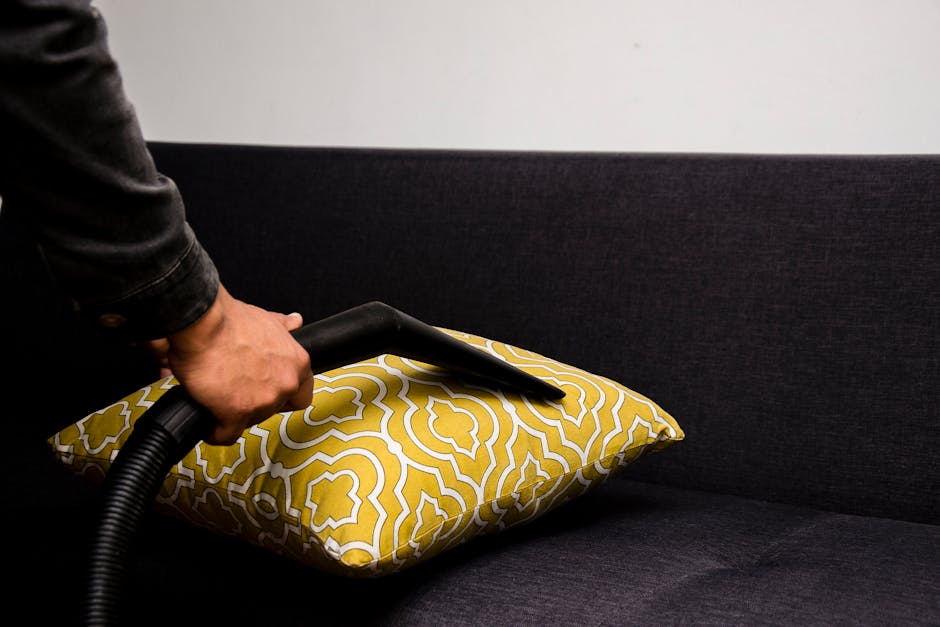
- Vacuum thoroughly. Use a suitable upholstery tool to remove dust, crumbs, pet hair, and grit from seams and cushions.
- Pre-treat stains. Deal with specific spots before the general clean so they do not spread.
- Choose the right cleaning method. Light moisture for delicate items, more robust extraction for tougher fabrics, and always with care.
- Control moisture. Over-wetting is one of the most common reasons for slow drying and rings.
- Extract residue properly. Cleaning solution left in fabric can attract dirt again too quickly.
- Dry and finish neatly. Open windows if suitable, improve airflow, and reshape cushions where needed.
It sounds straightforward on paper, but the skill is in the judgement. How much moisture is safe? How much agitation is too much? Which stain should be treated, and which should be left alone until the fabric has been tested? Those calls matter.
If the item is part of a larger care plan, pairing upholstery cleaning with steam carpet cleaning can help the whole room feel properly reset, especially in living rooms and family spaces where dirt moves freely between floor and furniture.
Expert Tips for Better Results
A few practical habits make a noticeable difference. Nothing exotic. Just the sort of things that separate a decent result from a really solid one.
- Vacuum before stains are treated. If you skip this, surface debris can smear into the fabric.
- Act quickly on spills. Blot gently, do not rub. Rubbing pushes liquid deeper and can rough up the fibres.
- Keep cushions rotated. Uneven wear creates shade variation and flattened spots.
- Use the right attachment. A hard brush can be too aggressive for some fabrics.
- Watch drying conditions. A warm room with moving air is usually better than heat blasting directly at the fabric.
- Treat hidden areas too. Arms, backs, and cushion seams often carry more soil than the visible front panels.
A small but useful tip: if a sofa has removable cushions, clean them in the same session rather than leaving one side for later. People often miss the back cushions completely because, well, the front looks fine and the back is out of sight. That is where dust quietly lives.
If you are dealing with one stubborn patch, it may be better to combine overall cleaning with a targeted service such as pet stain odour removal or stain removal, rather than attacking the whole piece repeatedly. More scrubbing is not always better. Often it is just more scrubbing.
Common Mistakes to Avoid
Most upholstery damage does not happen in a dramatic moment. It happens through small, repeated mistakes.
- Using too much water: this can lead to rings, slow drying, and wicking of hidden dirt to the surface.
- Scrubbing hard at stains: aggressive rubbing can distort the pile or spread the mark wider.
- Skipping a fabric test: one wrong product can cause discolouration that is hard to reverse.
- Using generic cleaners on delicate fabrics: what works on one sofa may be wrong for another.
- Ignoring odour sources: if a smell keeps returning, the source may be deeper than the surface.
- Cleaning without enough airflow: damp furniture left in a closed room can feel clammy for too long.
There is also a subtle mistake that people make in good faith: assuming all upholstery can be treated like carpet. It cannot. A carpet is usually more forgiving. Upholstery has seams, foam, filling, trims, and sometimes decorative stitching that react differently. The structure matters as much as the fabric.
Tools, Resources and Recommendations
You do not need a van full of equipment to maintain upholstery, but a few sensible tools make home care much more effective.
- Upholstery vacuum attachment: useful for seams, creases, and cushion edges.
- Soft brush: helps lift lint and pet hair without roughing up the fabric.
- Microfibre cloths: good for gentle blotting and controlled spot cleaning.
- White towels: handy when you need to check whether soil is transferring.
- Fans or open windows: assist drying after cleaning, when conditions allow.
For homeowners comparing service options, the most useful starting point is usually to understand the condition of the item, then choose the service that matches it. A well-maintained chair may need a light refresh. A heavily used sofa may need deeper treatment. If you are unsure, the service page for upholstery cleaning is a sensible place to begin, while related pages like rug cleaning and curtain cleaning help round out care for the rest of the room.
One recommendation that saves headaches: keep a quick note of any stain origin if you know it. Coffee, red wine, pet urine, ink, face creams, and cooking oils all behave differently. A cleaner can work more carefully when they know what they are dealing with.
Law, Compliance, Standards, or Best Practice
For domestic upholstery cleaning in the UK, the main concerns are safe product use, fabric care, waste handling, and sensible working practices. There is no single rulebook for every household sofa, but reputable providers should still work with care and follow general best practice.
That usually means using appropriate cleaning agents, testing fabrics before full treatment, and avoiding unnecessary risk to the customer's property. For business premises, there may also be expectations around risk awareness, slip prevention, and keeping floors and access routes safe while work is taking place. In practical terms, a careful cleaner should not leave walkways wet, cluttered, or awkward to use.
If you are choosing a provider, it is reasonable to ask about insurance, safety procedures, and payment handling. Those are normal questions, not overthinking. You can review the company's insurance and safety information, its health and safety policy, and its payment and security approach before booking. If you want to understand company values and operating standards, the about us page and terms and conditions are also worth a look.
For environmentally conscious customers, it can be helpful to ask how waste water, packaging, and cleaning materials are managed. Some providers make a point of responsible disposal and reduced waste through broader sustainability practices. That sort of thing matters to a lot of Wimbledon households, and fair enough too.
Options, Methods, or Comparison Table
Not every piece of furniture needs the same treatment. Here is a simple comparison to help you think through the main options.
| Method | Best for | Pros | Watch-outs |
|---|---|---|---|
| Routine vacuuming | Weekly maintenance and dust control | Fast, simple, prevents build-up | Will not remove stains or deep soil |
| Light spot cleaning | Fresh spills and small marks | Useful for quick intervention | Can spread stains if overdone |
| Professional upholstery cleaning | General refresh, odour removal, embedded dirt | Deeper clean, fabric-specific care, better finish | Needs correct method and drying time |
| Specialist stain or odour treatment | Problem areas such as pet accidents, food, ink, or persistent smells | Targeted and often more effective on stubborn issues | May require fabric testing and patience |
For many homes, the best answer is not one method alone but a combination. Routine vacuuming keeps the surface in order. Spot care handles the odd incident. Then periodic deep cleaning restores the overall condition. Simple, really. Not always easy, but simple.
If you are comparing soft furnishing services across the home, you may also find it useful to look at sofa cleaning and mattress cleaning so the whole living space gets the same level of care.
Case Study or Real-World Example
Here is a realistic example from the sort of job that comes up often in and around Wimbledon Village Church Road SW19.
A family living room had a light-coloured fabric sofa with a few obvious issues: a dried drink ring on one seat cushion, a few darker marks on the armrests, and a faint general odour from daily use and a family dog who considered the sofa his own. The sofa still looked decent at first glance, which is exactly why the owners had delayed dealing with it. You know how it goes. You stop noticing it until one afternoon the light hits it and suddenly, there it is.
The cleaner first vacuumed thoroughly, then tested the fabric in a hidden area. A mild pre-treatment was used on the ring mark, while the armrests were handled more cautiously because they showed the most visible wear. The general clean was then done with controlled moisture and careful extraction. The result was not a miracle transformation into a brand-new sofa, because that would be dishonest, but it did look clearer, fresher, and far less tired. The odour was reduced noticeably, and the cushions dried to an even finish.
The biggest takeaway from this type of job is that the right approach matters more than simply using more product or more pressure. The family could have attempted a broad DIY clean, but it might have left the sofa damp for too long or made the ring mark more obvious. A calm, methodical clean won the day.
Practical Checklist
Before arranging upholstery cleaning in Wimbledon Village Church Road SW19, use this checklist to make the process smoother.
- Identify the furniture type and fabric where possible.
- Note any labels, care instructions, or previous treatments.
- List visible stains, odours, and high-wear areas.
- Remove loose items, blankets, and cushions that are not part of the clean.
- Vacuum the area lightly if you are preparing it yourself.
- Decide whether you need related services such as carpet or rug cleaning.
- Ask about insurance, safety, and fabric testing.
- Plan for drying time and airflow after the clean.
- Keep pets and children away from the item while it dries.
- Set realistic expectations: fresh, cleaner, better-looking, not magically new.
A tidy preparation session can save time on the day and improve the result. It also helps the cleaner focus on the fabric, not on moving lamps, toys, or yesterday's laundry basket. Which, let's be honest, is a small win on its own.
Key takeaway: the best upholstery cleaning is tailored to the fabric, careful with moisture, and realistic about the result. Done well, it makes furniture feel cleaner, last longer, and sit more comfortably in the room.
If you are ready to talk through your furniture, compare options, or simply get an idea of what makes sense for your home, start with the team's pricing and quotes information and then use the contact us page to move forward.
Get a free quote today and see how much you can save.
Conclusion
Upholstery cleaning Wimbledon Village Church Road SW19 is one of those services that quietly improves everyday life. It refreshes the room, helps protect a worthwhile investment, and removes the build-up that makes furniture look older than it really is. For households, it brings back comfort and freshness. For businesses, it supports presentation and trust.
The best results come from choosing the right method, handling fabric with care, and avoiding the kind of rushed treatment that creates more problems than it solves. If you approach it sensibly, upholstery cleaning is less about perfection and more about doing the right thing for the furniture in front of you.
And sometimes that is enough. A cleaner chair, a fresher sofa, a room that feels properly looked after. Small things, maybe. But they add up.
Frequently Asked Questions
How often should upholstery be cleaned?
For most homes, a periodic professional clean every 12 to 24 months is common, though heavy-use sofas, pets, or allergies may justify more frequent care. The exact timing depends on fabric type, use, and how well the item is maintained between cleans.
Can all upholstery fabrics be cleaned the same way?
No. Delicate fabrics, natural fibres, textured weaves, and synthetics all behave differently. A good cleaner should identify the fabric first and then choose a method that suits it, rather than applying one standard process to everything.
Will upholstery cleaning remove stains completely?
Sometimes yes, sometimes partially, and sometimes not at all. It depends on the stain type, how long it has been there, the fabric, and whether the stain has already been treated incorrectly. Fresh marks usually respond better than old ones.
How long does upholstery take to dry?
Drying time varies by fabric, room temperature, airflow, and how much moisture was used. Lightly cleaned items may dry relatively quickly, while deeper cleans can take longer. Good ventilation helps, but avoid over-heating the fabric.
Is upholstery cleaning safe for homes with pets?
Usually yes, provided suitable products are used and the item is allowed to dry fully before pets use it again. If pet accidents are involved, odour treatment may be needed as part of the clean.
What is the difference between upholstery cleaning and sofa cleaning?
Upholstery cleaning is the broader term and applies to chairs, sofas, footstools, benches, and other fabric-covered furniture. Sofa cleaning is one part of upholstery care, focused specifically on sofas and settees.
Should I vacuum my furniture before a cleaner arrives?
If you can, yes. Removing loose dust, crumbs, and pet hair helps the cleaner focus on embedded soil and stains. It is not essential in every case, but it usually improves efficiency.
Can I clean upholstery myself with supermarket products?
You can do light maintenance and spot blotting at home, but always test carefully. Off-the-shelf products can work on some marks, yet they can also cause rings, fading, or residue if used too heavily or on the wrong fabric.
What should I ask before booking upholstery cleaning in Wimbledon Village Church Road SW19?
Ask about fabric testing, insurance, drying expectations, and whether the service is suitable for your specific item. It is also sensible to ask about pricing, safety procedures, and what is included in the quote.
Is upholstery cleaning worth it for older furniture?
Often, yes. Even if a piece is not new, cleaning can improve its appearance, reduce odour, and extend its usable life. You may not make it brand new, but you can often make it look and feel much better.
Can upholstery cleaning help with allergies?
It can help reduce dust and general build-up in the fabric, which may be useful for some people. That said, it is not a medical treatment. If allergies are a concern, regular cleaning and good household dust control both matter.
Do I need to move furniture before the cleaner arrives?
Usually only small items, cushions, and obstacles need to be cleared away. Heavy furniture is often best left in place unless the cleaner specifically asks otherwise. A quick tidy makes the visit smoother and less rushed.